
Beyond bedding, the mill produces a full range of high-pile knitted fabrics for demanding applications — from equestrian equipment to aviation. If it needs to be dense, durable and consistent, we knit it.
 Sector
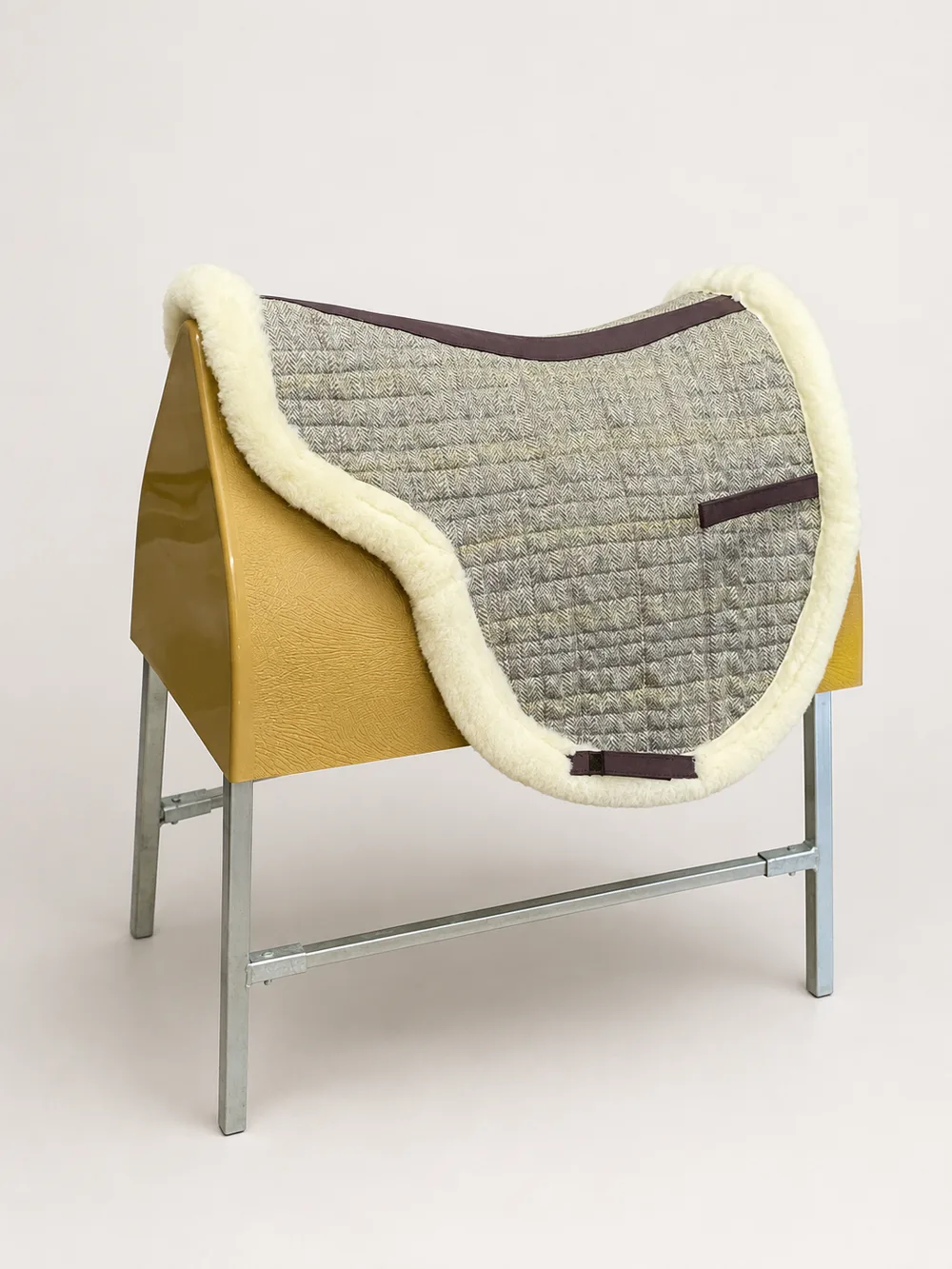
Leading manufacturer and wholesale supplier of equestrian fabrics — hard-wearing pile textiles for saddle pads, girth sleeves, numnahs, rugs and horse comfort products.
 Sector
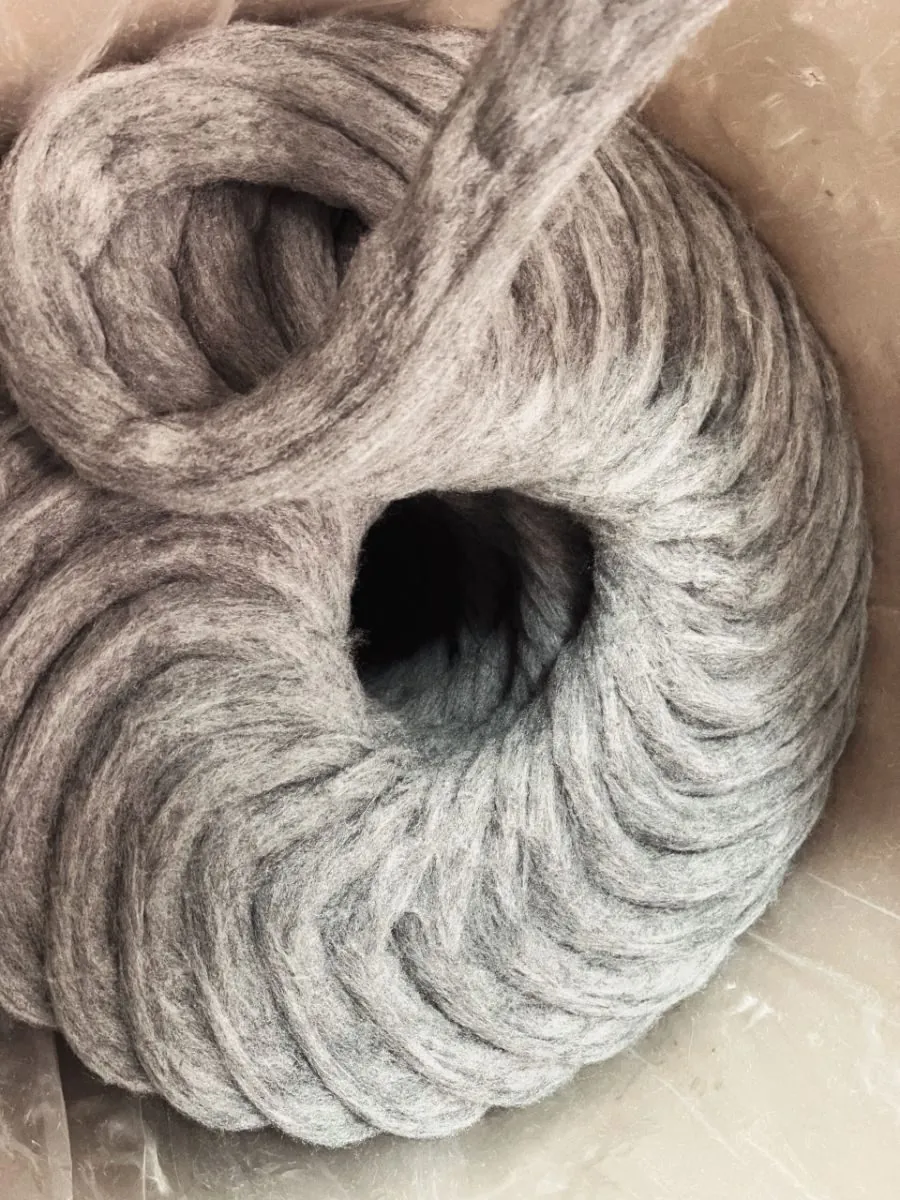
High-pile wool fabrics knitted with the same attention to detail as our polyester ranges — natural warmth and resilience for premium applications.
 Sector
Trusted technical supplier at the highest level — including fabric supplied to Boeing. Precision-made pile textiles for industrial and specialist uses.
Beyond these core sectors, our high-pile fabrics are also developed for apparel, bedding, upholstery and other specialist applications. If it calls for softness, warmth, texture or cushioning — talk to us about feasibility.
Alongside our standard ranges, we consult directly with clients to develop made-to-order fabrics — choosing fibre, pile height, weight, colour and finish to match exactly what the application demands.
Crucially, bespoke doesn't mean bulk: we accept low minimum order quantities, so smaller brands and specialist manufacturers can access mill-quality fabric too.

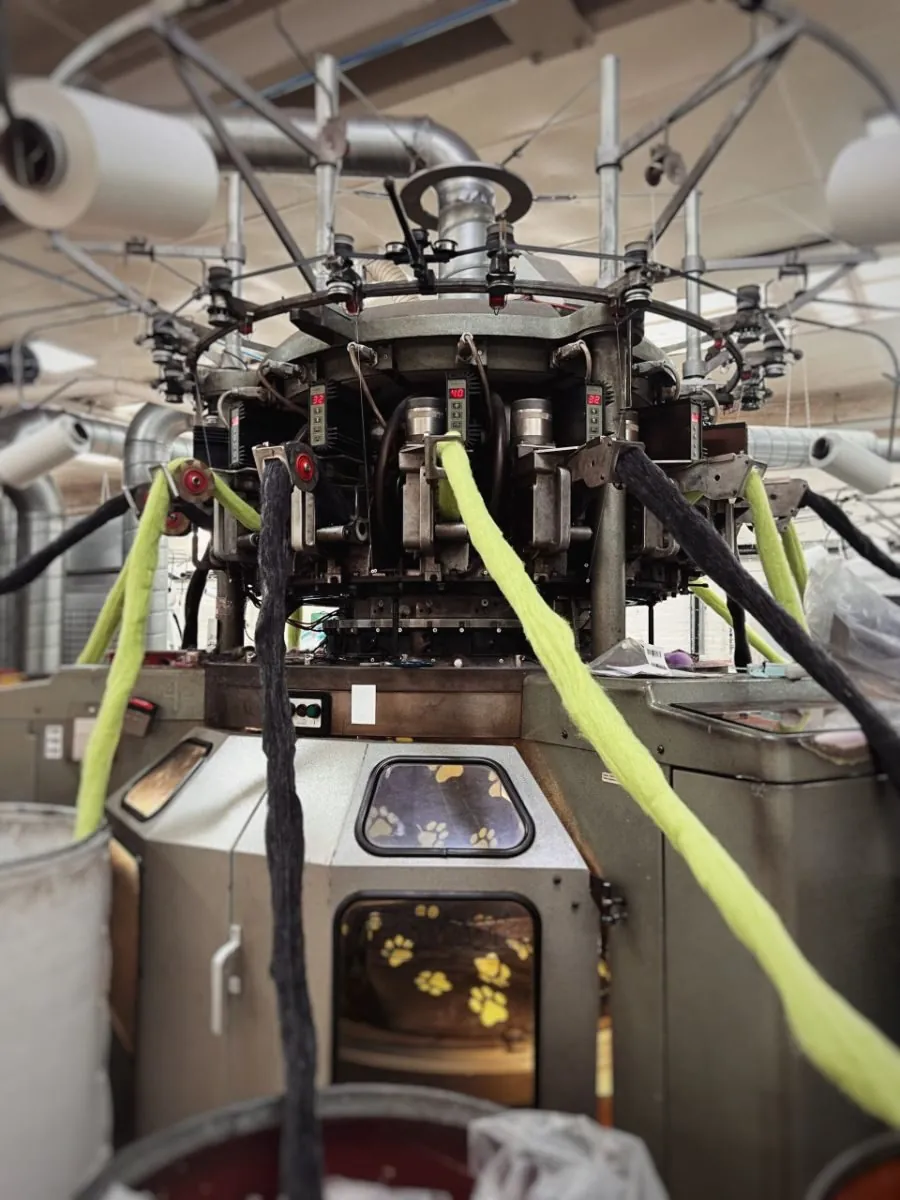
Our wool is sourced exclusively from British farms through the British Wool network, with full transparency and traceability from fleece to fabric. Wool breathes, regulates temperature, manages moisture and offers natural flame resistance — renewable and biodegradable by nature.
"Wool is not traditional in the archaic sense. It is technically advanced, modern in its natural construction, and timeless in its performance."
Jackson Textiles was the first manufacturer to use recycled PET fibres in veterinary and pet bedding. Decades on, selected constructions contain up to 95% recycled content — an approach guided by performance, longevity and responsible resource use, never by short-term trends.
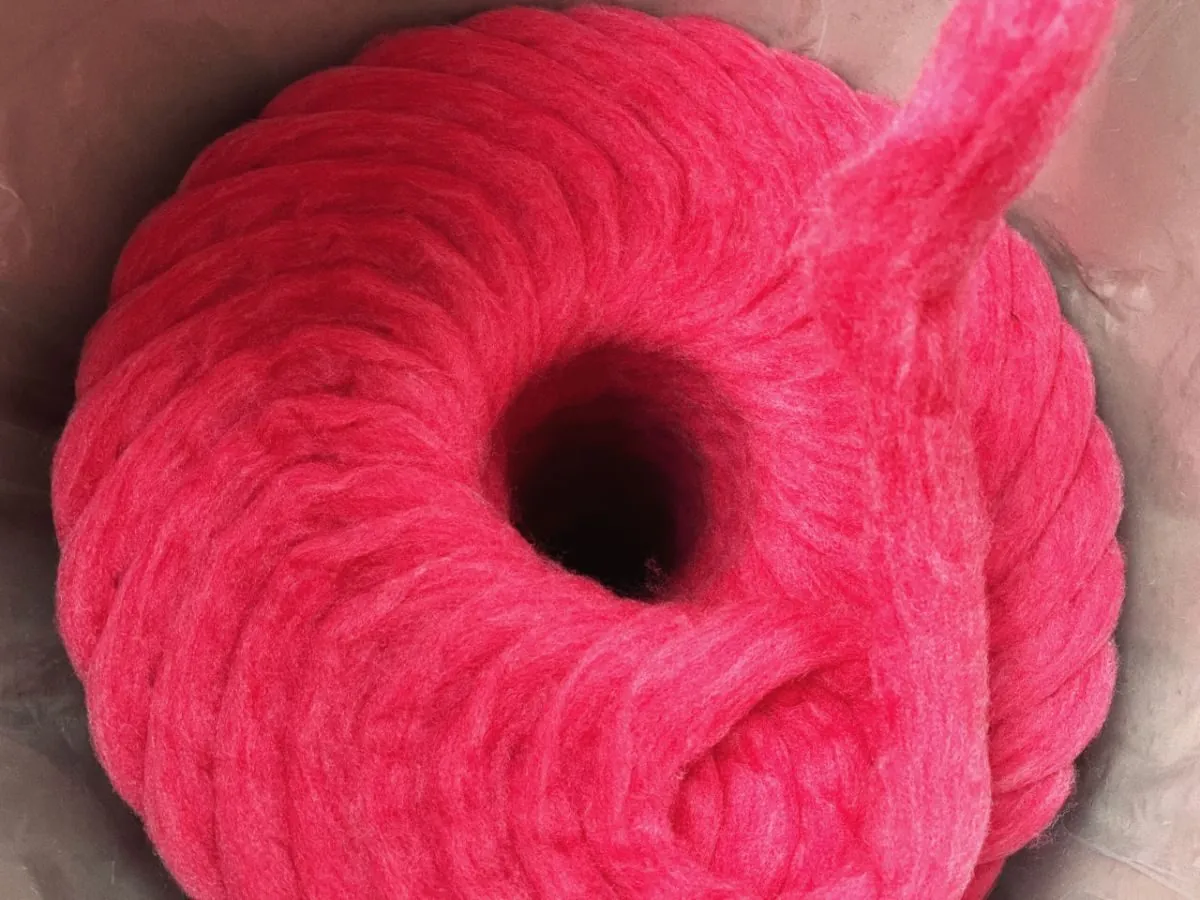
Where suitable we use dope-dyed PET: colour is introduced during fibre manufacture rather than by conventional wet dyeing — reducing water use while giving consistent, colourfast material through the entire fibre.
Tell us the application and the environment it has to survive — we'll recommend the right construction, or develop one with you.
Discuss a project