
- Home
- Industries
- Aerospace
Specialist pile textiles for aircrew seating
Precision-manufactured wool and technical pile fabrics for cockpit seat covers, pilot cushioning and other demanding aviation applications.
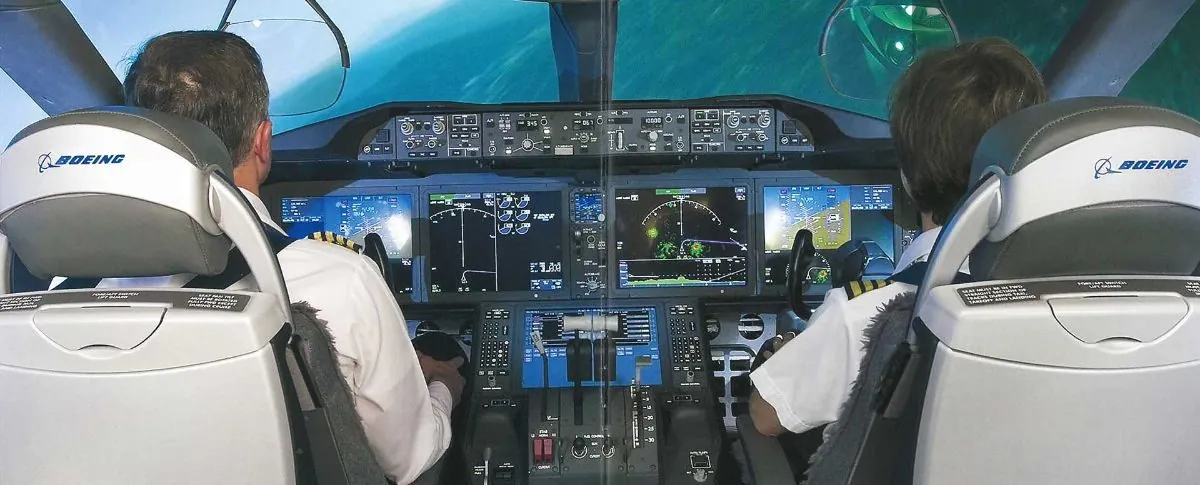
What the fabric needs to deliver.
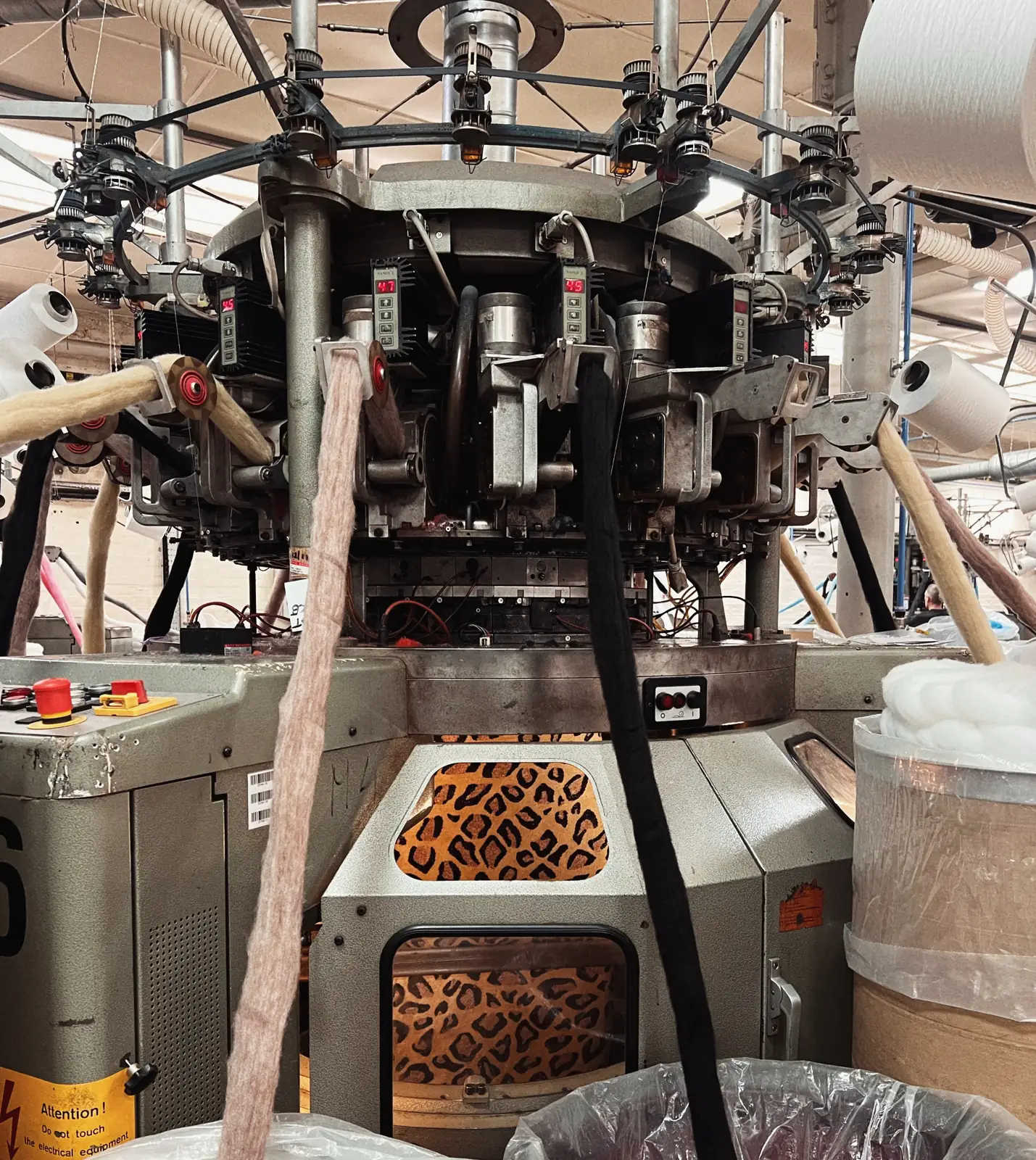
Jackson Textiles applies four decades of high-pile knitting experience to aviation programmes where consistency, comfort and traceable manufacture are essential. We work with seat and interiors specialists against a controlled application brief.
Aviation textiles must be developed against the complete programme brief, including comfort, conversion, testing, traceability and approval responsibilities.
Long-duration comfort
A dense, resilient pile provides a cushioning interface for demanding seating applications.
Microclimate support
Wool can absorb and release moisture vapour and help moderate temperature at the occupant interface.
Compression recovery
Fibre, density and pile height can be balanced to retain loft under repeated loading.
Natural material option
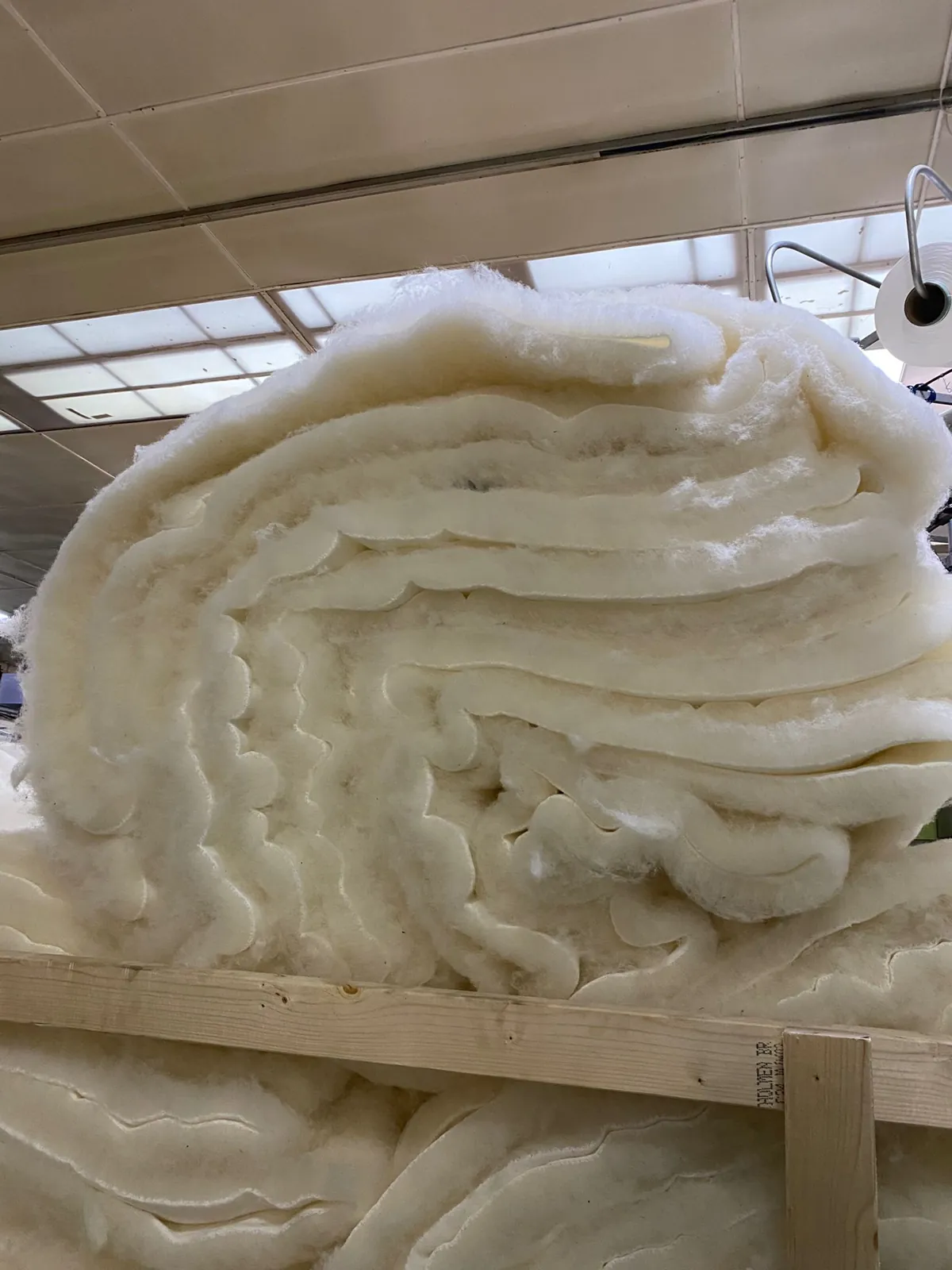
British wool provides renewable fibre content with useful inherent performance characteristics.
Specification-led manufacture
Material, backing, weight, finish and inspection requirements are agreed for the programme.
Where the fabric is used.
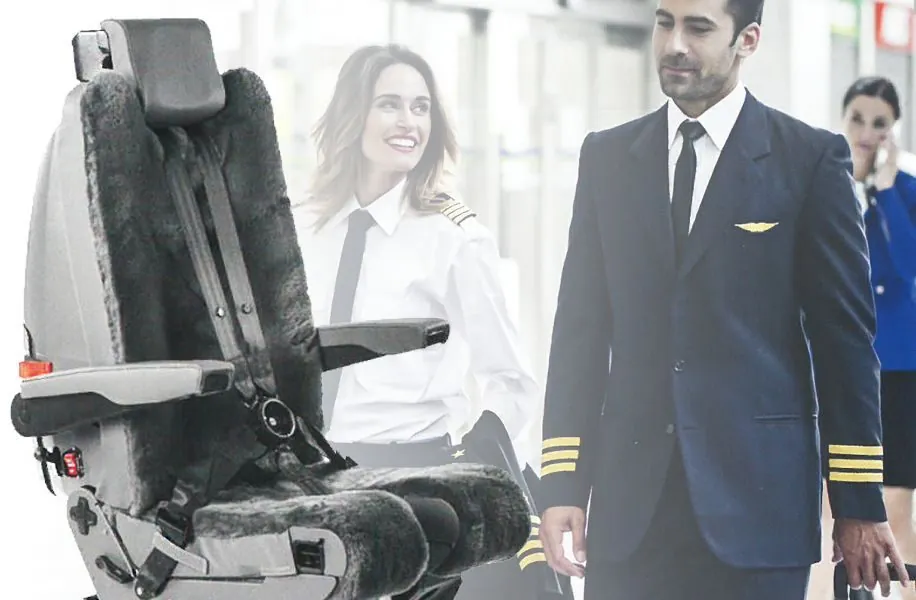
- Cockpit seat covers
- Pilot and aircrew cushioning interfaces
- Replaceable comfort layers
- Specialist aviation seating components
- Dense-pile technical developments
- Prototype and low-volume programme support
Four kinds of customer.
Seat manufacturers
Co-develop specialist pile fabric around seat geometry and the conversion process.
MRO and interiors
Explore repeatable replacement materials with agreed performance and inspection criteria.
Design authorities
Build the material brief around measurable acceptance criteria and documented change control.
Innovation programmes
Prototype at accessible volumes before scaling a validated construction.
A specification built around the application.
The design space below is indicative. The final data sheet is issued against the approved construction.
| Specification area | Jackson Textiles capability / typical offer |
|---|---|
| Construction | High-pile sliver-knitted fabric developed to the seat-cover or cushioning specification. |
| Weight capability | Constructions up to 3 kg per linear metre, subject to width, fibre, pile and backing. |
| Fibre | Heavyweight British wool and other fibres or blends where the approved brief requires them. |
| Qualification | Flammability, smoke and toxicity, durability and approval evidence are programme-specific and agreed before supply. |
| Supply route | Fabric supplied to aviation and interiors manufacturers; commercial format set by programme demand. |
| Pile and finish | Pile height, density, shearing and surface finish tailored to comfort, wear and conversion requirements. |
| Backing | Application-specific systems selected with the converter for dimensional stability and assembly. |
| Manufacture | Produced at Bowers Mill, West Yorkshire, with agreed sampling and production controls. |
What stands behind the offer in aerospace.
Technical pile fabric supplied for Boeing cockpit seating applications.
Material, finish and inspection requirements agreed around the programme at Bowers Mill.
Qualification evidence is programme-specific; finished-product approval stays with the design authority and converter.
What gets tested before approval
Qualification is programme-specific: flammability, smoke and toxicity, durability and approval evidence are agreed before supply, with the traceability and documentation requirements set out in the programme brief.
Development and order quantities
Prototype and low-volume programme support at accessible volumes; the commercial format is set by programme demand.
The route is the same in every sector: define, select, sample, validate, approve, produce. How a development runs → · How the mill works →
Aerospace Technical and Sales Guide
The four-page guide: opportunity, technical capability, commercial development and contact.
Six things that let us answer properly.
- Aircraft and seat application
- Design-authority specification
- Comfort and compression targets
- Converter and assembly method
- Required flammability and test standards
- Traceability and documentation requirements
Start a confidential technical discussion.
James Cooper, Business Development
james@jacksontextiles.co.uk
+44 (0)1422 378 061