
- Home
- Capabilities
- Manufacturing process
How fibre becomes a controlled finished material.
Every stage is integrated and controlled in-house at Bowers Mill: fibre selection, carding, sliver preparation, knitting, shearing, tumbling, backing, inspection, sampling and production approval.
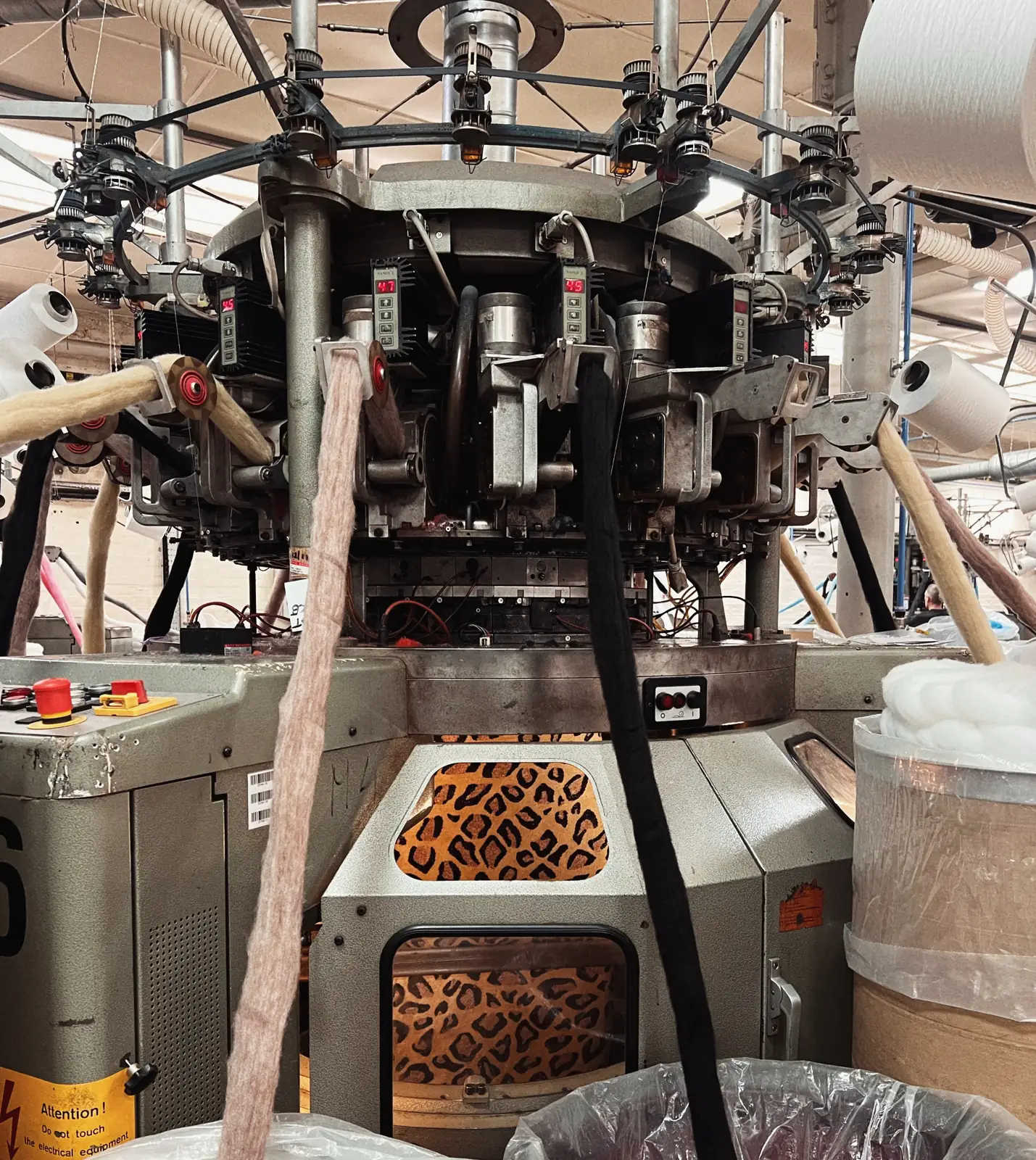
Ten stages, one roof.
- Fibre selection
The right fibre, chosen with you
100% British wool in two grades, or recycled synthetic fibre, selected in collaboration with the customer and prepared for its end use, including domestic washing.
- Carding
Cut and carded to spec
Fibres cut to bespoke lengths and carded on re-configured machinery, adapted to the performance, handle and structure the final application demands.
- Sliver preparation
A continuous feed of fibre
Carded fibre is formed into sliver, the continuous rope of fibre that feeds the sliver-knitting machines and determines the density of the pile.
- Knitting
Knitted in-house
Fabric knitted by skilled operatives, with structure and tension adjusted to each customer's requirements for consistent quality.
- Shearing
Precise pile height
In-house shearing gives exact control over pile height, refined to meet defined comfort, performance and aesthetic expectations.
- Tumbling
Texture where it's wanted
Controlled tumbling, applied only where required, develops texture and sherpa-style effects aligned with the end use.
- Backing
Bespoke backings
Backings developed specifically for each product, ensuring stability, durability and performance without compromising fibre integrity.
- Inspection
Checked against the reference
Fabric is inspected against the agreed reference standard and tolerances before release.
- Sampling
Proof before production
Strike-offs and samples are reviewed for handle, colour, pile, backing and conversion compatibility before any volume commitment.
- Production approval
Locked and repeatable
The approved construction, tolerances and repeat-order requirements are recorded so that every subsequent run is made to the same standard.
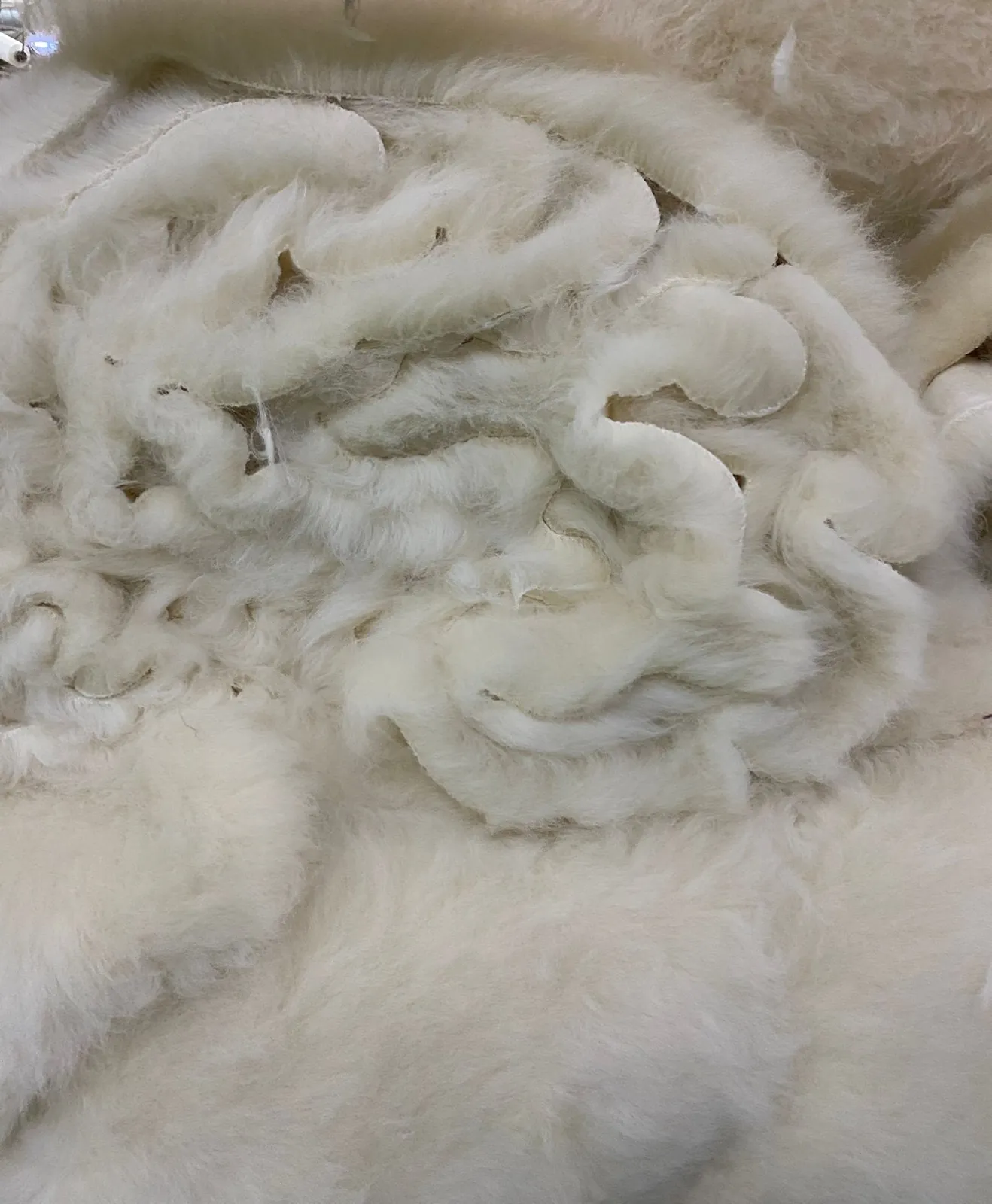
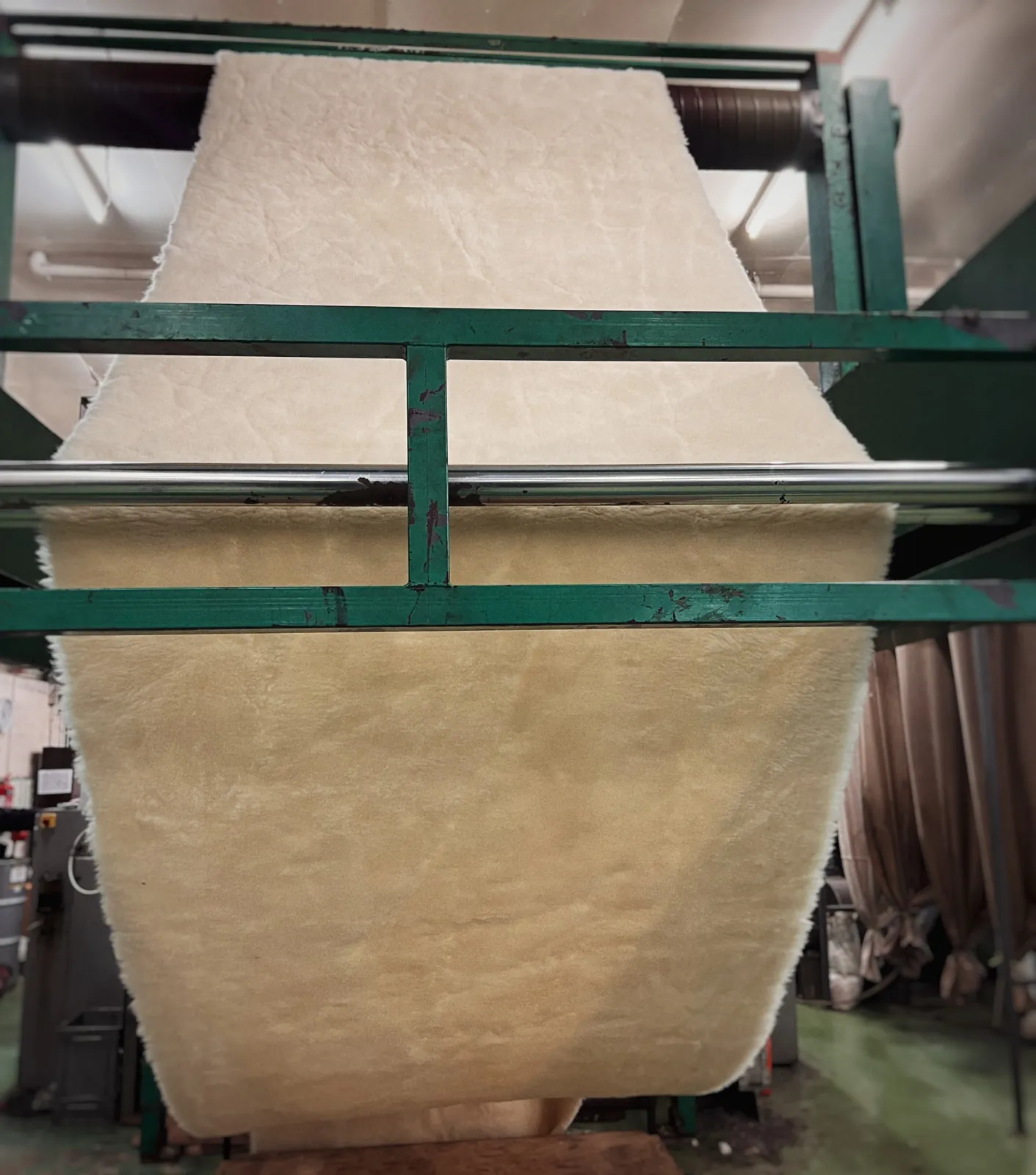
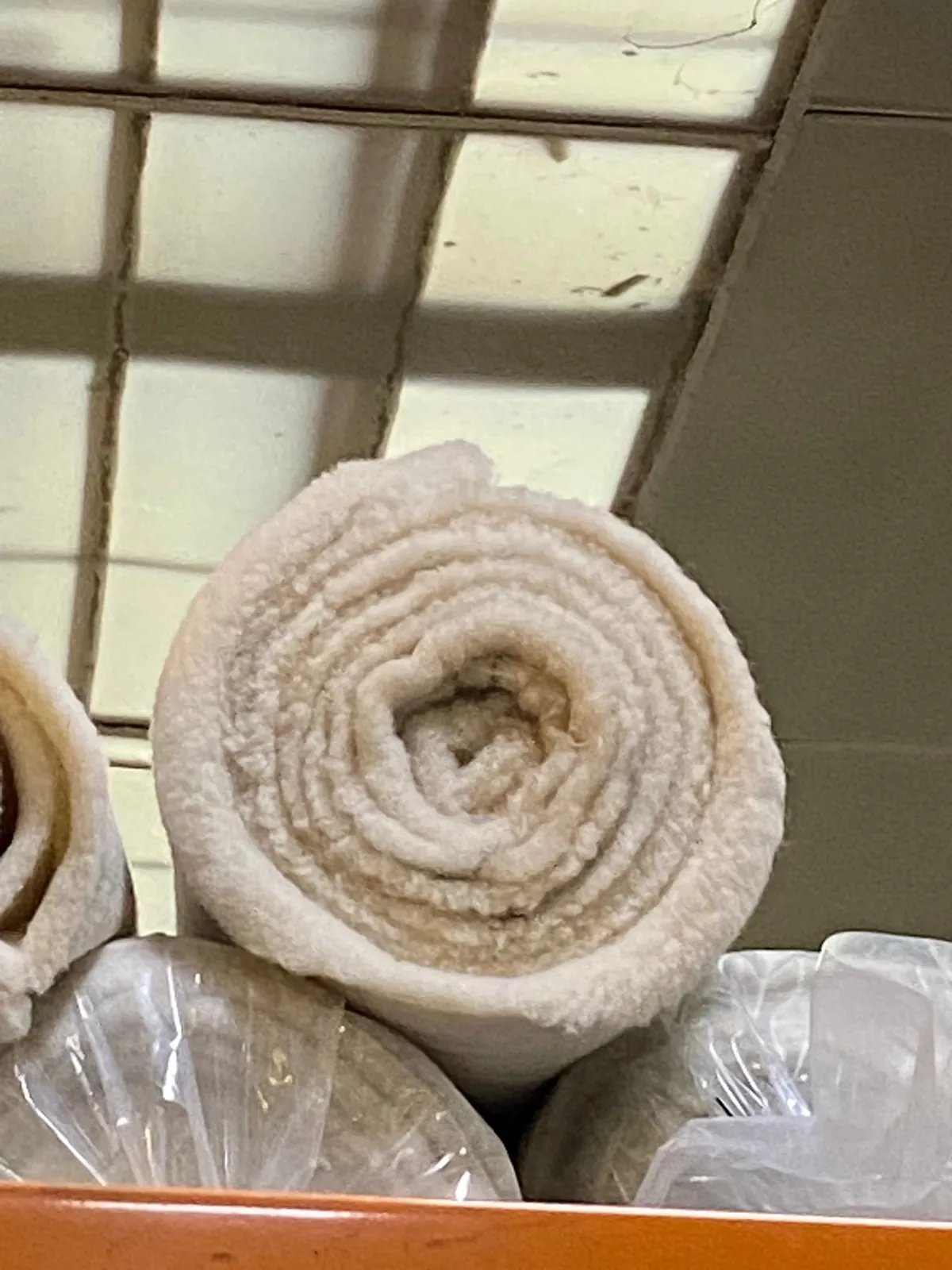
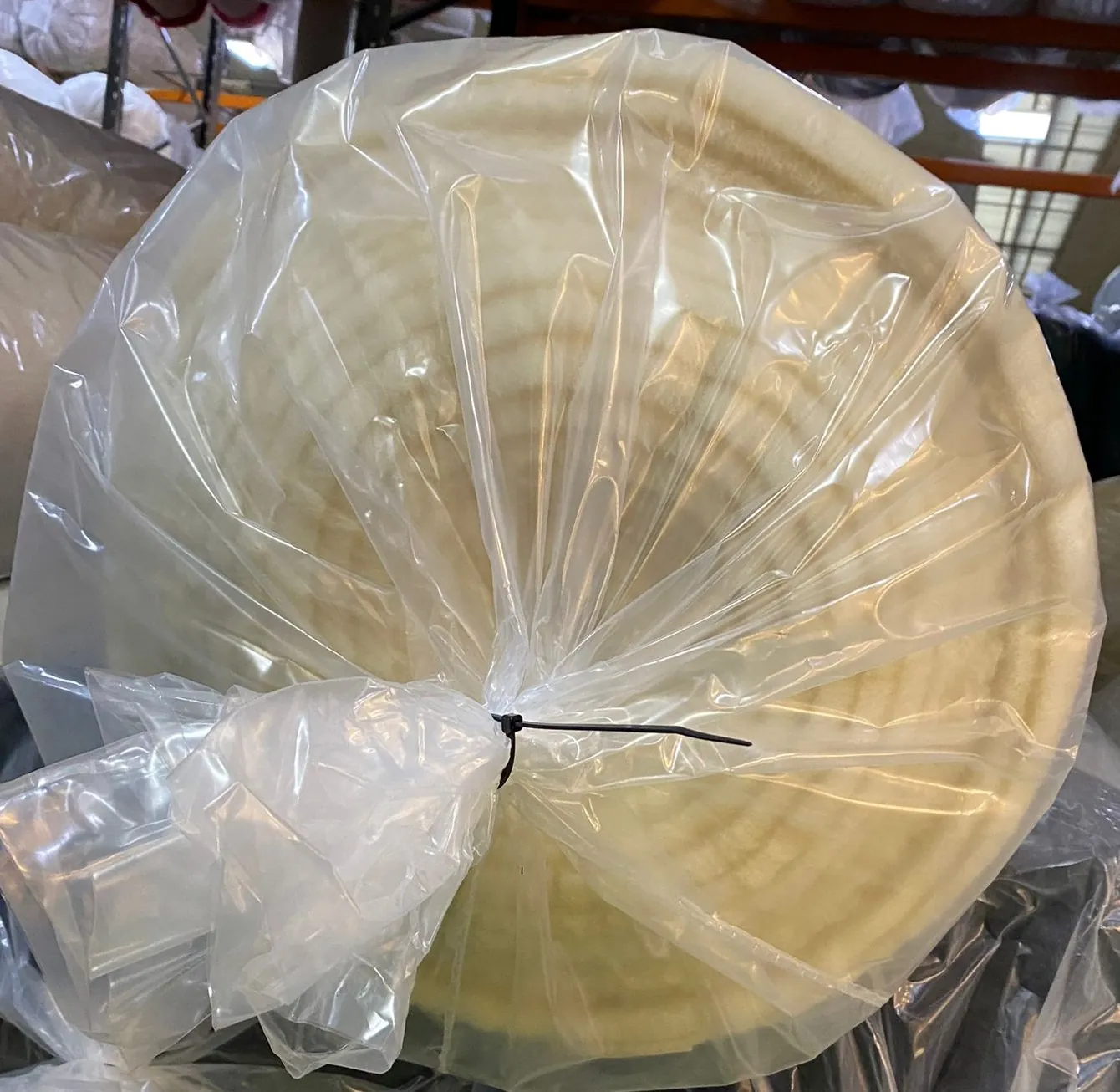
What the mill can make.
- ConstructionHigh-pile, sliver-knitted fabrics, sheared or tumbled.
- WeightSpecialist constructions up to 3 kg per linear metre, subject to specification.
- FibresBritish Wool, polyester PET and blended constructions.
- ColourNatural wool shades; broad PET palette, dope-dyed at source.
- RecycledSelected PET constructions with up to 95 percent recycled content.
- BackingTraditional green, ribbed non-slip water-based latex, acrylic, and optional fire-retardant and antimicrobial constructions.
- PatternPlain and multi-colour knitted designs; complexity matched to weight and machine performance.
- VolumesLow development minimums and a sample-led route for suitable projects.
Sampled, approved, repeated.
A specification is only useful if the next run matches the last one.
Development runs through strike-offs and samples until handle, colour, pile, backing and conversion compatibility are agreed. The approved construction becomes the reference standard, with tolerances recorded for width, roll length, weight and pile.
Production is inspected against that reference before release. Repeat orders are made to the same recorded standard; any change to fibre, construction or finish is documented and agreed before it reaches production.
Where application testing belongs to the converter, brand, design authority or finished-product manufacturer, that responsibility is stated clearly at the outset. Typical values are guidance only and are not release specifications; product width, roll length, tolerances, tests and declarations are confirmed in the quotation and approved technical schedule.
Strike-offs and samples
Reviewed with the customer before any volume commitment.
Agreed tolerances
The approved construction and its tolerances are recorded at approval.
Checked before release
Fabric is inspected against the reference standard.
Change management
Changes are documented and agreed; nothing changes silently between runs.
Bring us the application. We will build the specification around it.
Define, select, sample, validate, approve, produce. Start with a structured brief.
Bespoke development Send a project brief